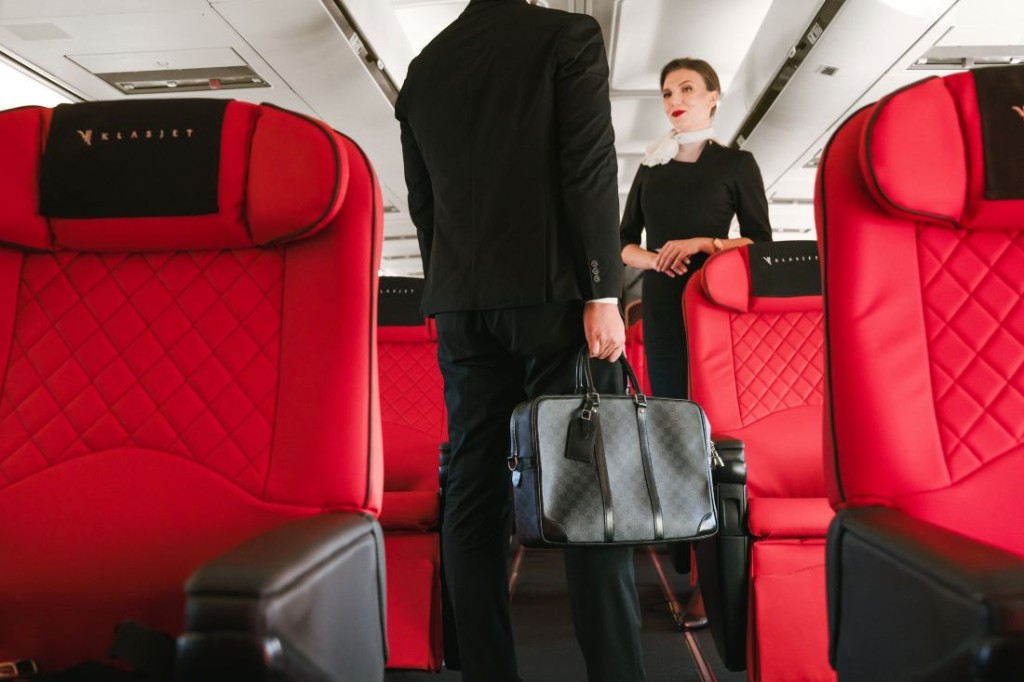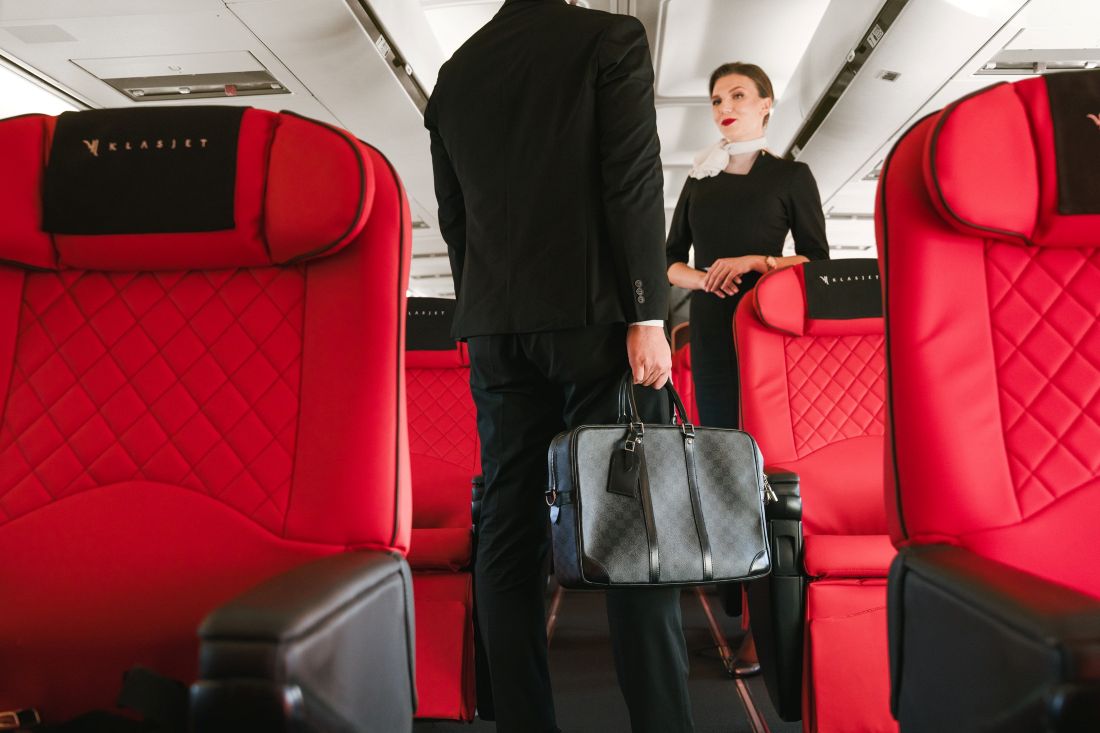
The field of business aviation is steadily growing. The market is currently valued at 57.11 billion euros and is expected to grow by 10% annually over the next five years. Business aviation is growing both in scale and in reach. Despite representing only around 9% of all air traffic in Europe, it often serves airports not served by commercial airlines and is essential for regional cohesion and for supporting investment and trade. All this makes business aviation a crucial part of modern transport. According to Valeria Prilipko, a Sales Development Manager for the VIP charter airline KlasJet, success in this increasingly competitive environment depends on the ability to adapt and develop long-term relationships with a diverse range of clients.
Why business aviation is a high-stakes environment
Modern business aviation is all about dedication, speed, and the development of long-term partnerships. According to Ms. Prilipko, the industry is characterized by clients seeking travel solutions under tight schedules and with very specific demands. Naturally, responsiveness and the ability to act quickly become critical for any professional in sales development. Especially in the field that is constantly evolving and developing.
“Operators are continuously improving the level of service they provide to clients. This makes the client’s expectations different as well,” she notes. “For example, in 2024, having Wi-Fi on board an aircraft was still relatively rare, while in 2026 it basically became a standard feature. This reflects a broader trend: passengers want the same level of connectivity and comfort in the air that they have on the ground.”
Ms. Prilipko emphasizes that business aviation is a field built on trust. In this high-stakes environment, everything starts and ends with one’s ability to build and maintain credibility with clients and brokers. In this process, every detail, even the minutes, matters, which makes building a partnership thoughtful and complex.
According to her, a commercial role in business aviation goes far beyond traditional sales. You are also responsible for almost every stage of trip-coordinating. This requires not only a highly proactive approach but also a broad knowledge base.
“To provide fast and reliable services, you need to stay informed not only about aviation, but also about global events, political and economic developments, and even areas like sports,” she lists, and also gives a simple example, why this is so crucial: “When I first joined KlasJet, I had to quickly learn the structure of major football championships and how the season works, as this directly impacts client demand and travel planning.”
Loyal Scandinavians and relationship driven Italians
Global or political events are only two of the countless factors that Sales Development specialists in business aviation have to take into account. Ms. Prilipko currently works across two very different markets – Italy and Scandinavia. According to her, these two regions differ significantly in many aspects.
For example, clients from Scandinavia tend to prioritize clear, structured communication and a well-organized flight process. Meanwhile, Italian clients tend to place greater value on strong relationships and require a more personal approach to business. The sales process itself also differs noticeably.
“Clients in Northern Europe value long-term partnerships and prefer working with the same trusted providers over many years. In contrast, the Italian market is generally more flexible and open to new opportunities. In my experience, relationships tend to develop faster in the south. Italian clients are often more open, expressive, and relationship-driven from the outset. In the Nordic countries, building trust takes more time, but once established, those relationships are very strong and lasting,” she explains.
The same goes for relationships with brokers. Scandinavian ones place strong emphasis on precision and structure, while in Italy, the approach is typically more flexible.
“In the Nordics, everything needs to be well-organized. There is very little room for error or last-minute changes. Processes are typically strict, and expectations are clearly defined. In Italy, it is not uncommon for a client to change the final destination several times before the flight. Something quite rare in the Scandinavian market. So, you could say that Italy requires a different level of adaptability and a more dynamic way of working,” Ms. Prilipko says.
Being dependable can take you miles
Understanding broader economic and social factors is essential to success in aviation. Business aviation is no exception. That is why Ms. Prilipko attributes her success in the field to the ability to rely on facts rather than assumptions. This was instilled in her during a month-long mentorship under the guidance of Gediminas Žiemelis, the Founder and Chairman of Avia Solutions Group.
“During that time, I began studying my markets from the core basics, looking at population data, GDP indicators, major cultural events in each country, key industries, and the largest companies operating there. This kind of thorough approach makes it easier to understand how to sell more effectively and how potential clients think when they request a VIP travel experience,” she explains.
The mentorship also had an additional benefit. It helped develop a sense of belonging to the global aviation community. Ms. Prilipko emphasizes that once you become part of it, people tend to treat each other professionally and equally. One of the more encouraging signs of this sort of meritocracy is the increasing number of women in the field.
“There is a growing focus on inclusion and support within the community, which is helping to create more opportunities for women to grow professionally. For example, at Avia Solutions Group, we have a great initiative called “Spread Her Wings,” which brings women across the group together to share experiences and support each other’s growth. I think that having more of such initiatives will be key to further strengthening diversity and inclusion in aviation,” she says.
March is often called Women in Aviation month. According to Ms. Prilipko, it is a perfect excuse to remind women that there is no reason to limit themselves. Business aviation is full of opportunities. In this field, what matters is your ability to build a strong personal brand and develop meaningful professional relationships, not your gender.
“The aviation world is relatively small, and reputation matters greatly. It is important to be someone people trust, someone known for reliability, professionalism, and taking responsibility for the quality of the service provided. When clients and partners know they can depend on you, it naturally opens the door to long-term relationships and future opportunities,” says KlasJet’s Sales Development Manager.